


10th Avenue, Oakland
01 / Foundations and drainage
Many inner East Bay homes were built before WW2, meaning foundations don't contain steel reinforcement and are shallow and prone to movement. Ellie will teach you how to examine the condition of a foundation, as an essential structural element of a home.
Most of what is on this list can be priced and fixed, and knowing the price is the point. Ellie will talk you through the process, timeline, and cost of this work – and bring in specialists where needed.
Ellie starts under the house by accessing the crawl space. She is looking to the condition of concrete, presence of moisture, and how the structural diaphragms are affixed.
If a home has not been retrofitted, Ellie will help you outline and budget to do this work. California’s Earthquake Brace + Bolt program offers grants toward seismic retrofitting in many East Bay ZIP codes, and Berkeley refunds a portion of transfer taxes for voluntary seismic upgrades made within a year of purchase. Ellie will guide you through the applicable rebate program.
Ellie's field note
Follow the water first. A downspout that empties at the corner of the house tells you where to look for efflorescence, soft concrete and a damp crawlspace.
10th Avenue, Oakland
02 / Plumbing and wiring
Ellie's field note
Run the tub and the bathroom sink together, then flush. If water flow drops, supply lines are becoming restricted by corrosion.
| What you notice | What it usually means |
|---|---|
| Doors that stick and floors that slope | The house has settled. The question is whether it is still moving and whether drainage is sufficient |
| Two-prong outlets | Ungrounded wiring, and likely remaining knob-and-tube |
| Drop in water pressure when multiple appliances are running | Galvanized steel plumbing likely remains in place, and the interior has begun to corrode, shrinking the interior diameter of the pipe and reducing water pressure |
| A musty smell in the basement, and excessive efflorescence in crawlspace | Drainage is likely insufficient; look to the slope of the lot and where downspouts are emptying, and discuss with Ellie what drainage solutions may be appropriate |
03 / Further systems
Look for old furnace ducts wrapped in white asbestos insulation. Do not disturb it. Removal is a job for a licensed abatement contractor, so budget for it if the furnace is due for replacement.
Look to the roof from the street, and note any glitter of exposed fiberglass, granule loss, moss growth, or cracked/missing shingles. These are common signs of age and merit outlining a short term budget for roof work.
Stucco held only by wires – called "line wire" – has less shear strength than sheathed walls. Stucco is prone to water intrusion and the size of a roof's overhangs are crucial to protect it.
Wood, single pane windows are present in many East Bay homes, and have strengths (old growth wood frames) and weaknesses (single pane can mean you feel a chill). Meanwhile dual pane windows offer both noise and temperature insulation. Note what is present in a home, and which windows open or are painted shut.
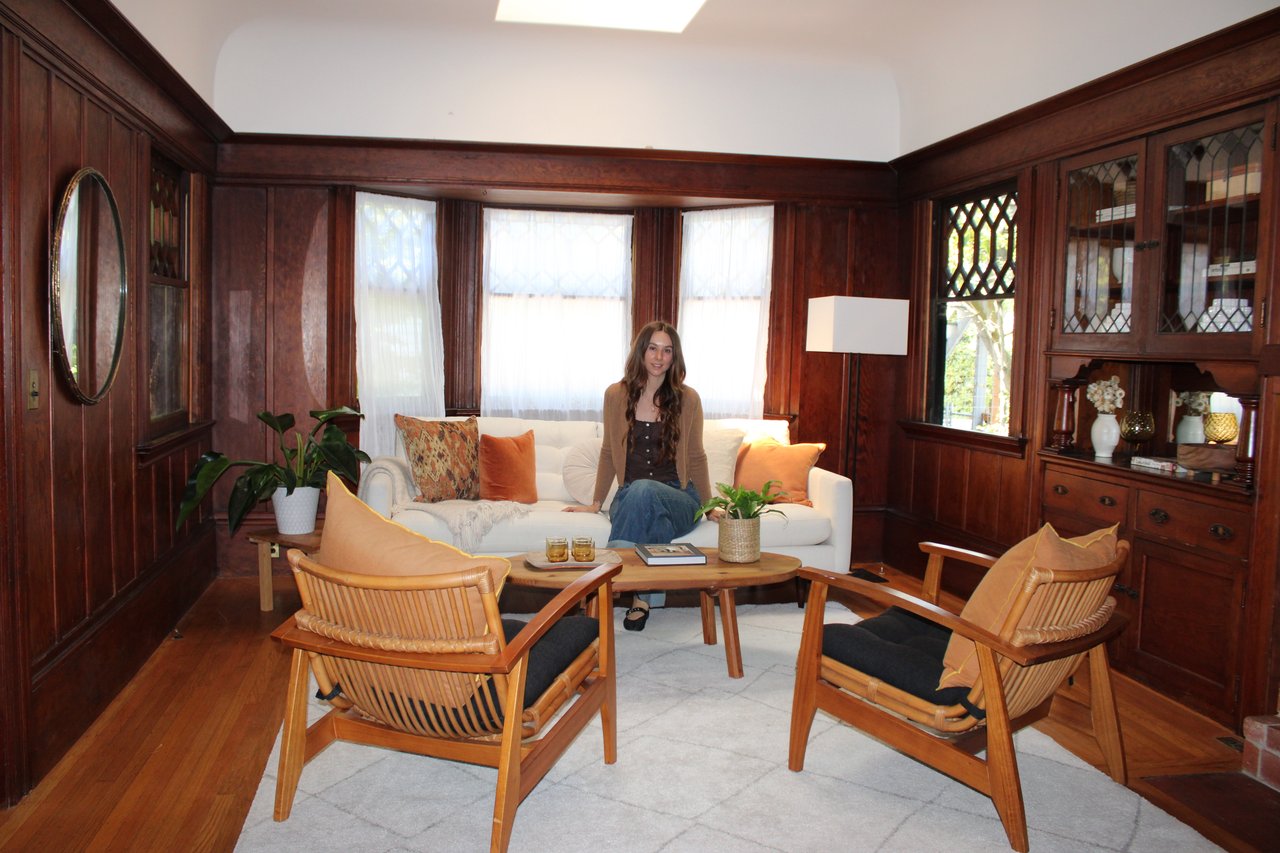
04 / Boots on the ground with Ellie
Ellie teaches you how to look at homes with a critical lens. You don't need to memorize this list. You need someone next to you who knows what she's looking at.
Ellie visits homes with you, pointing out each vulnerability and teaching you what that means for you as a homeowner. Before you ever write an offer, Ellie does a deep dive into a home's condition, making observations from her own boots on the ground analysis, reviewing the seller’s reports, and coordinating extra inspections when something needs a closer look. She works with you to create a budget for the first years of ownership, so you understand the true cost of owning.
The aim is simple: learn the systems of a home during the search, so you're prepared not just to buy a house, but to actually own one.
Questions
Absolutely! Older East Bay homes have great bones, old growth framing and gorgeous character; the key is learning the true condition in advance.
You always are able to perform additional due diligence, which Ellie will coordinate and walk you through. Often the seller’s reports are thorough, but not always. Ellie reviews them with you thoroughly, and together you create a plan for further investigation when needed.
It varies house to house! Ellie walks you through determining where a home might be vulnerable, and connects you with trusted, vetted local contractors and engineers to weigh in on scope, cost and timeline.
She will walk it with you, go through the reports and tell you what she would want to know before bidding.